How Do You Optimize Your LinkedIn for AI Search Visibility?
AI search is already shaping how people discover your brand.
And LinkedIn is one of the main sources those systems pull from.
If your content isn’t there, you’re not just missing impressions. You’re letting someone else define how AI explains your business.

TLDR / Key Takeaways
- LinkedIn shows up in about 11% of AI search responses
- AI favors clear, educational, original content
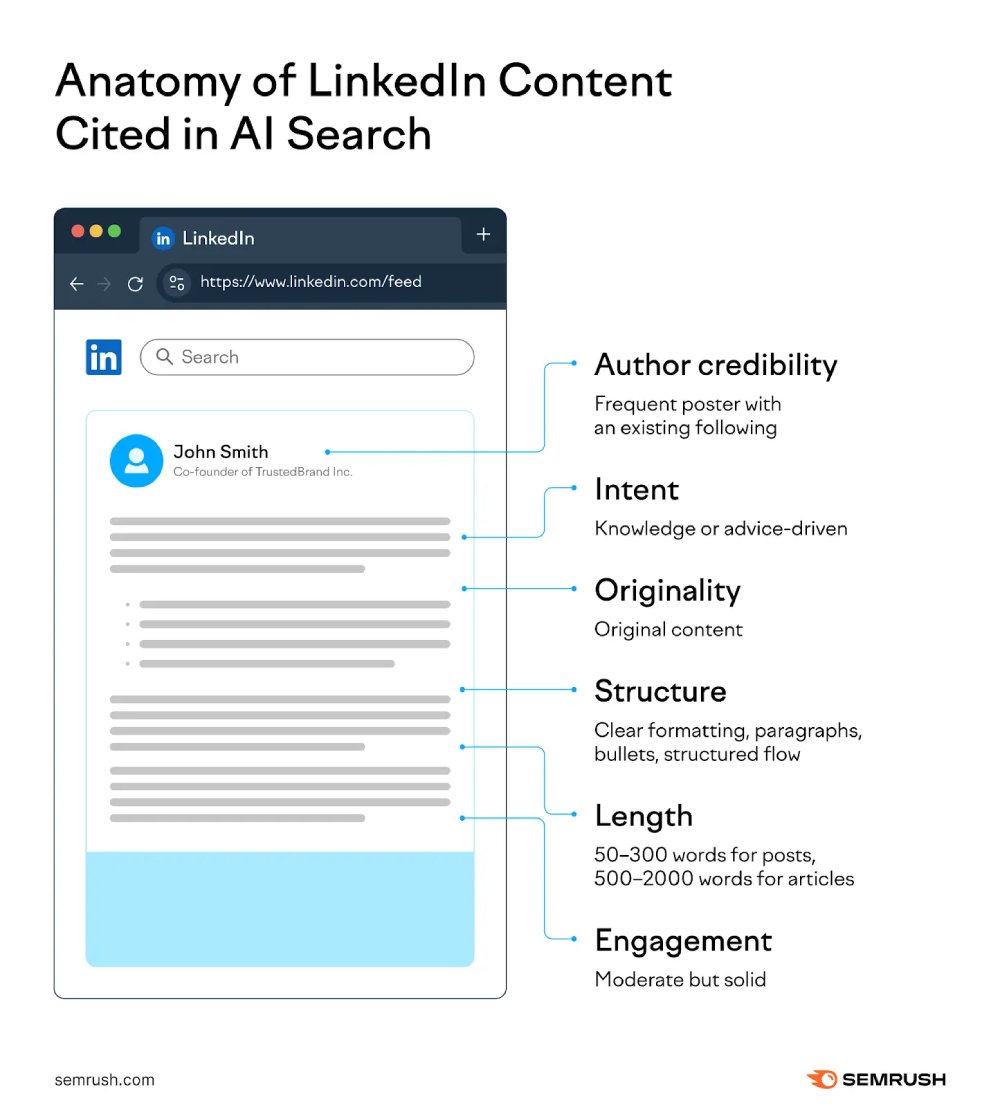
- Articles of 500 to 2,000 words and posts of 50 to 300 words perform best
- Consistency matters more than follower count
- Engagement doesn’t need to be high. Relevance wins
- Both company pages and personal profiles matter
- AI often mirrors your content, not just cites it
What Is LinkedIn AI Visibility?
LinkedIn AI visibility is how often your content gets cited or used by AI tools like ChatGPT, Google AI Mode, and Perplexity.
What this really means is simple.
AI is reading LinkedIn.
Then using it to answer questions.
So your LinkedIn content is no longer just for your audience. It is shaping the answers your future customers may see.
Why LinkedIn Matters More Than You Think
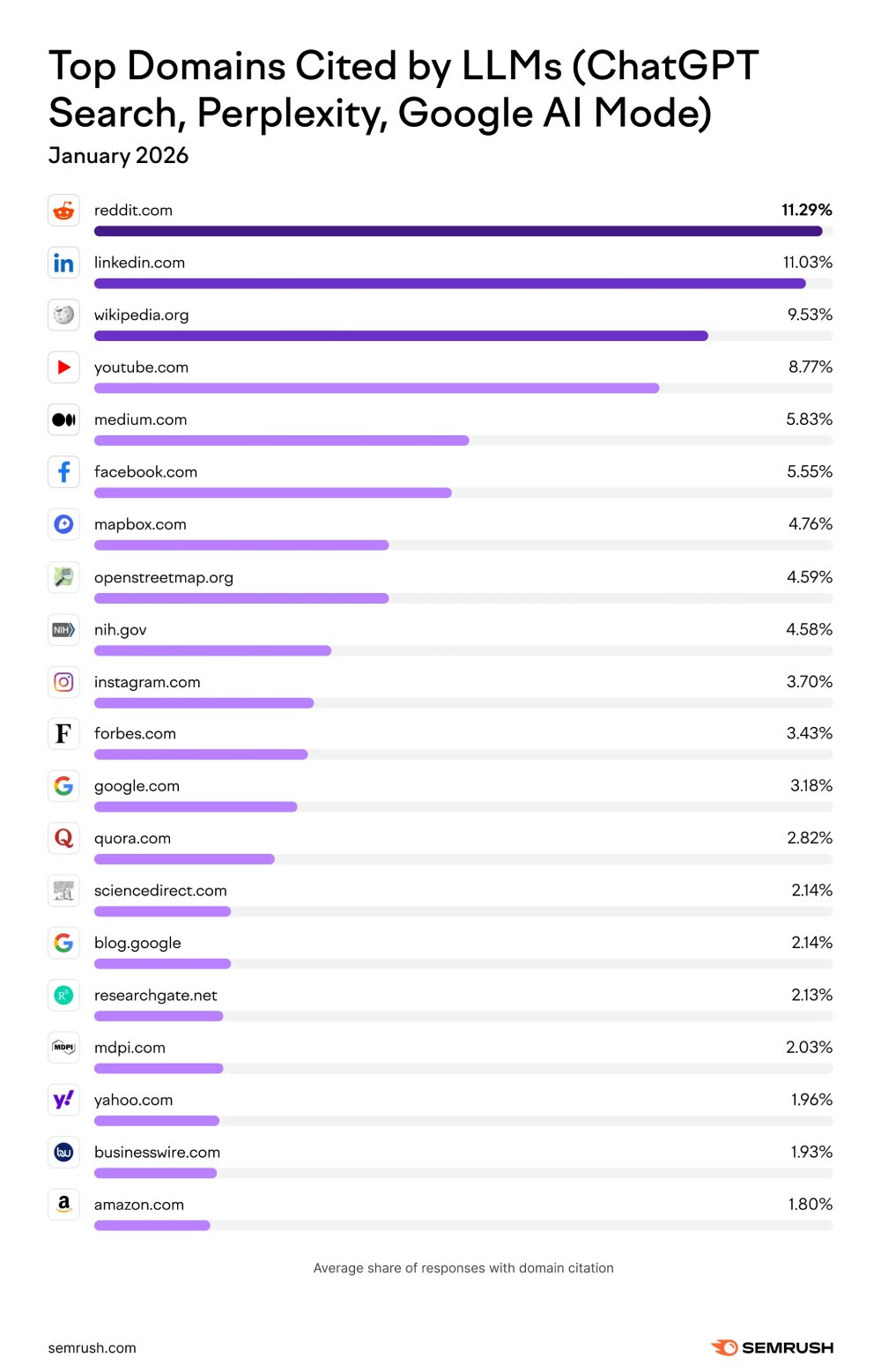
LinkedIn is the second most cited domain in AI search results.
It shows up in about 11% of responses.
That puts it ahead of YouTube, Wikipedia, and major news sites.
Here’s the shift:
People aren’t just Googling anymore.
They’re asking AI.
And AI is answering using LinkedIn.
How AI Actually Uses Your LinkedIn Content
This is the part most people miss.
AI doesn’t just link to your content.
It rewrites it.
The study found a semantic similarity score between 0.57 and 0.60.
That means AI responses often closely match the meaning of the original post.
What this means for you:
- Your wording matters
- Your positioning matters
- Your clarity matters
If your content is vague, AI will reflect that.
If your content is sharp and clear, AI will repeat it.
What Type of LinkedIn Content Gets Cited by AI?
Let’s break this down clearly.
1. Educational Content Wins
Over 50% of cited content is knowledge or advice-driven.
AI is looking for answers.
Not opinions.
Not fluff.
Not promotions.
What works:
- How-to posts
- Step-by-step breakdowns
- Lessons from experience
- Clear explanations
2. Articles Outperform Everything
50 to 66% of citations come from LinkedIn articles.
The sweet spot: 500 to 2,000 words
Why?
Because AI can extract more context.
But don’t ignore posts.
Posts still matter. Just shorter.
- 50 to 300 words works best
3. Original Content Is Required
95% of cited content is original.
Reshares barely show up.
If you’re just reposting content, AI ignores you.
How Often Should You Post on LinkedIn for AI?
Frequency is one of the strongest signals.
75% of cited authors posted at least 5 times in 4 weeks.
That’s about:
- 1 to 2 posts per week minimum
More content means more chances to be cited.
This is not about going viral.
It’s about building a body of work.
Do You Need a Big Following?
No.
Nearly half of cited authors have around 2,000 followers.
And smaller accounts still get cited.
What matters more:
- Expertise
- Clarity
- Consistency
Not audience size.
Does Engagement Matter?
Yes. But less than you think.
Most cited posts had:
- 15 to 25 reactions
- Very few comments
This is important.
AI doesn’t care what goes viral.
AI cares what answers the question best.
Should You Focus on Company Page or Personal Profile?
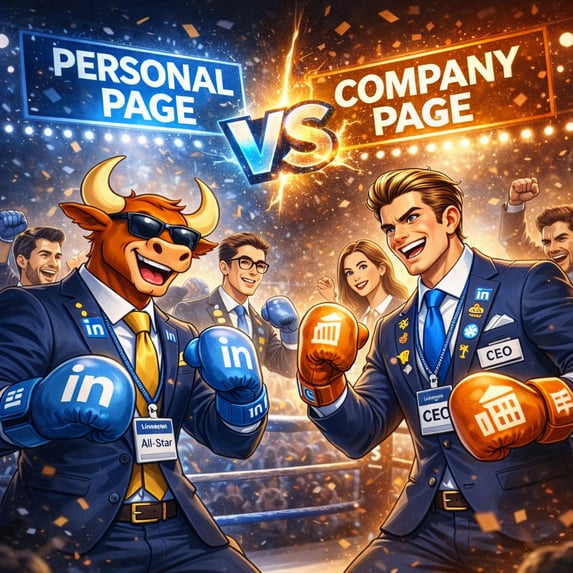
Both.
But here’s how it splits:
- Company pages dominate on Perplexity
- Individuals dominate on ChatGPT and Google AI
So the real answer:
You need both.
What this looks like:
- Company page publishes structured content
- Team members publish insights and expertise
- Same topics reinforced from multiple voices
The Exact Formula to Optimize LinkedIn for AI
Here’s how to actually do this.
Step 1: Pick High-Intent Topics
Start with questions people are already asking.
Examples:
- How does X work?
- What is the best way to do Y?
- How much does Z cost?
Think like your customer.
Step 2: Answer the Question Immediately
The first 2 to 3 lines should be direct.
No fluff.
Bad:
Let’s talk about something important…
Good:
Google Ads cost depends on your industry, competition, and targeting.
AI pulls from the top.
Make it count.
Step 3: Use Clear Structure
Break content into:
- Short paragraphs
- Bullet points
- Defined sections
AI prefers structured content.
Humans do too.
Step 4: Stay Consistent With Language
Use the same terms repeatedly.
Example:
If your keyword is HVAC marketing
Don’t switch to:
- heating marketing
- cooling ads
- contractor promotion
Pick one. Stick to it.
Step 5: Build a Content System
This is where most people fail.
You don’t need one great post.
You need 50 solid ones.
Simple system:
- 2 posts per week
- 1 article per month
- Same core topics repeated in different ways
That builds authority.
Step 6: Activate Your Team
AI doesn’t just look at your company.
It looks at people.
Get your team involved:
- Share lessons
- Share client stories
- Share breakdowns
Multiple voices increase surface area.
The Big Shift Most People Are Missing
LinkedIn is no longer just a feed.
AI treats it like a reference library.
That changes everything.
You’re not posting for likes anymore.
You’re publishing to be cited.
Final Thought
Most people are still chasing reach.
AI is rewarding relevance.
So the real question is:
Are you trying to go viral?
Or are you building something worth referencing?
Because AI can tell the difference.