A visually impressive site does not guarantee leads, sales, or engagement. Many websites look polished, but fail to support real business goals. This article explains why beautiful websites still don’t convert and how to fix yours using proven conversion, UX, and performance principles.
Key Summary
- Beautiful websites often prioritize visuals over function.
- Conversion issues usually come from unclear messaging, weak UX, and slow performance.
- Enterprise websites must support multiple decision-makers and long sales cycles.
- Fixing conversion issues requires strategy, structure, and data.
What website conversion actually means
Website conversion is when a visitor takes a meaningful action. That action might be filling out a form, requesting a quote, booking a call, or downloading a resource. Conversion is not about traffic volume. It is about how effectively a website guides users toward the next step.
Many websites are designed to impress instead of convert. They focus on aesthetics, but ignore clarity, intent, and user behavior. And that is where performance breaks down.
Why beautiful websites still don’t convert
Good design matters. But design alone does not move users to act. Below are the most common reasons we see enterprise and growth-focused websites struggle.
Your message is unclear
If a visitor cannot understand what you do within five seconds, conversion drops. Nielsen Norman Group research shows users often leave a page in under 10 seconds if the value is unclear.
Many websites rely on vague headlines, brand-first language, or internal jargon. This forces users to work too hard to understand the offer.
Clear messaging answers three questions immediately.
- What do you do?
- Who is it for?
- Why does it matter?
Your site looks good but feels confusing
User experience is about how a website works, not how it looks. Complex navigation, inconsistent layouts, and unclear page hierarchy create friction.
According to a Google UX study, users are 88 percent less likely to return to a site after a poor experience. Even small usability issues can stop conversions.
You designed for internal teams, not users
Enterprise websites often grow by committee. Pages are added to satisfy departments instead of user needs. This leads to bloated navigation and diluted calls to action.
Effective websites are structured around user intent, not org charts.
Your site is slow
Page speed directly affects conversion. Google reports that as page load time increases from one second to three seconds, bounce rates increase by 32 percent.
Heavy images, unoptimized code, and third-party scripts often slow down visually rich websites.
There is no clear next step
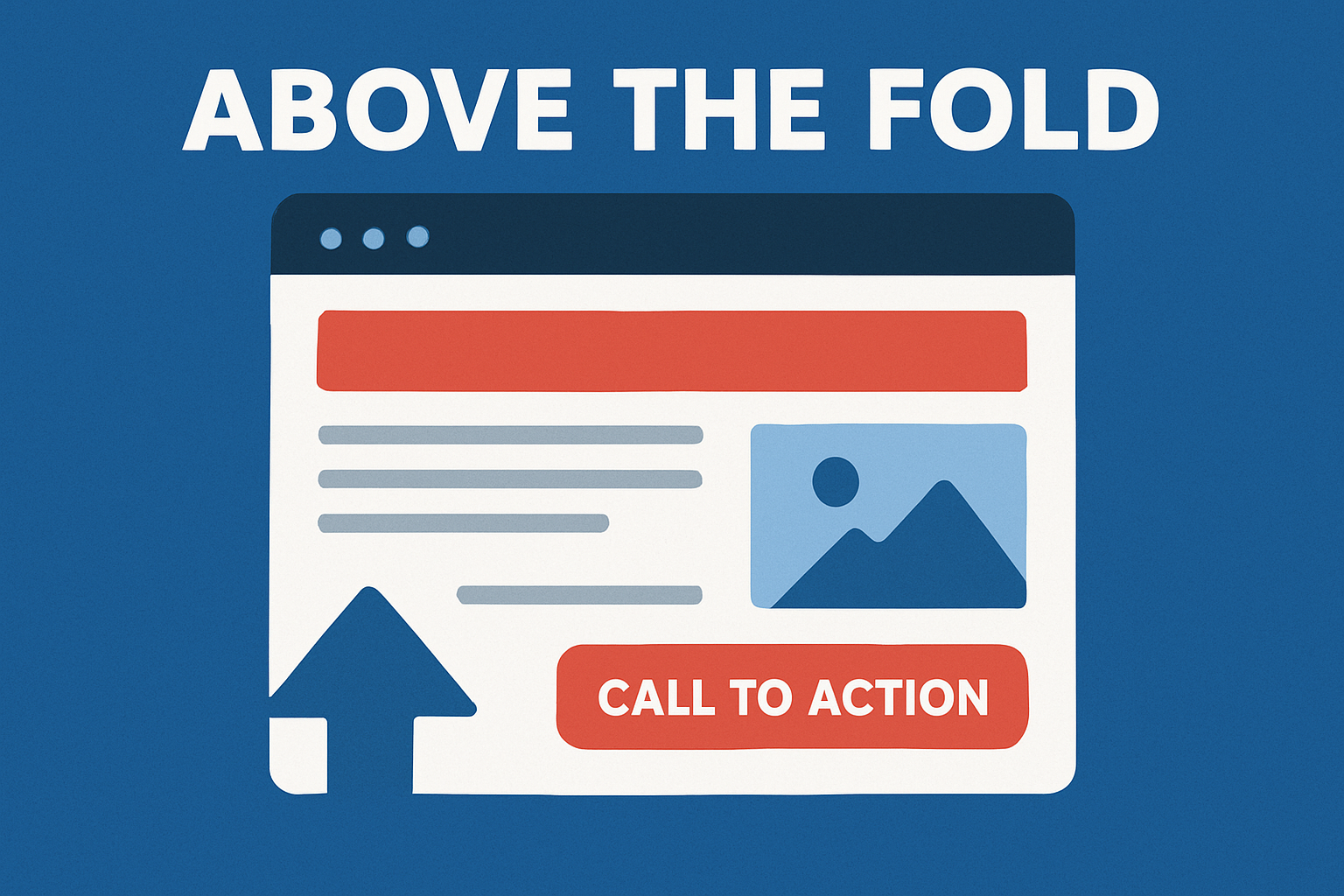
A common issue we see is hesitation to ask for the conversion. Pages end without guidance. Or CTAs are buried, inconsistent, or generic.
If users do not know what to do next, they do nothing.
How to fix a beautiful website that does not convert
Conversion fixes are rarely about redesigning everything. They are about aligning design with strategy.
Start with conversion goals
Every page should support one primary action. That action should align with business goals and user readiness.
This is where strategic Web Design matters. Design decisions should be based on behavior, not opinion.
Simplify your messaging
Plain language converts better than clever copy. Clear headlines outperform creative ones in most enterprise B2B environments.
- State the problem you solve.
- Explain how you solve it.
- Then explain why your solution is different.
Improve structure and hierarchy
Users scan before they read. Use clear sections, descriptive headers, and logical flow.
This helps both people and search engines understand your content.
Optimize for speed and performance
Performance optimization is not optional. Faster websites convert better and rank higher.
Google Core Web Vitals now directly influence SEO visibility. Improving speed improves traffic quality and conversion.
Use data to guide decisions
Conversion rate optimization relies on evidence. Heatmaps, analytics, session recordings, and A/B testing reveal where users get stuck.
This is where strategy meets execution. We see the biggest gains when design, SEO, and performance teams work together.
Why conversion-focused websites outperform design-first websites
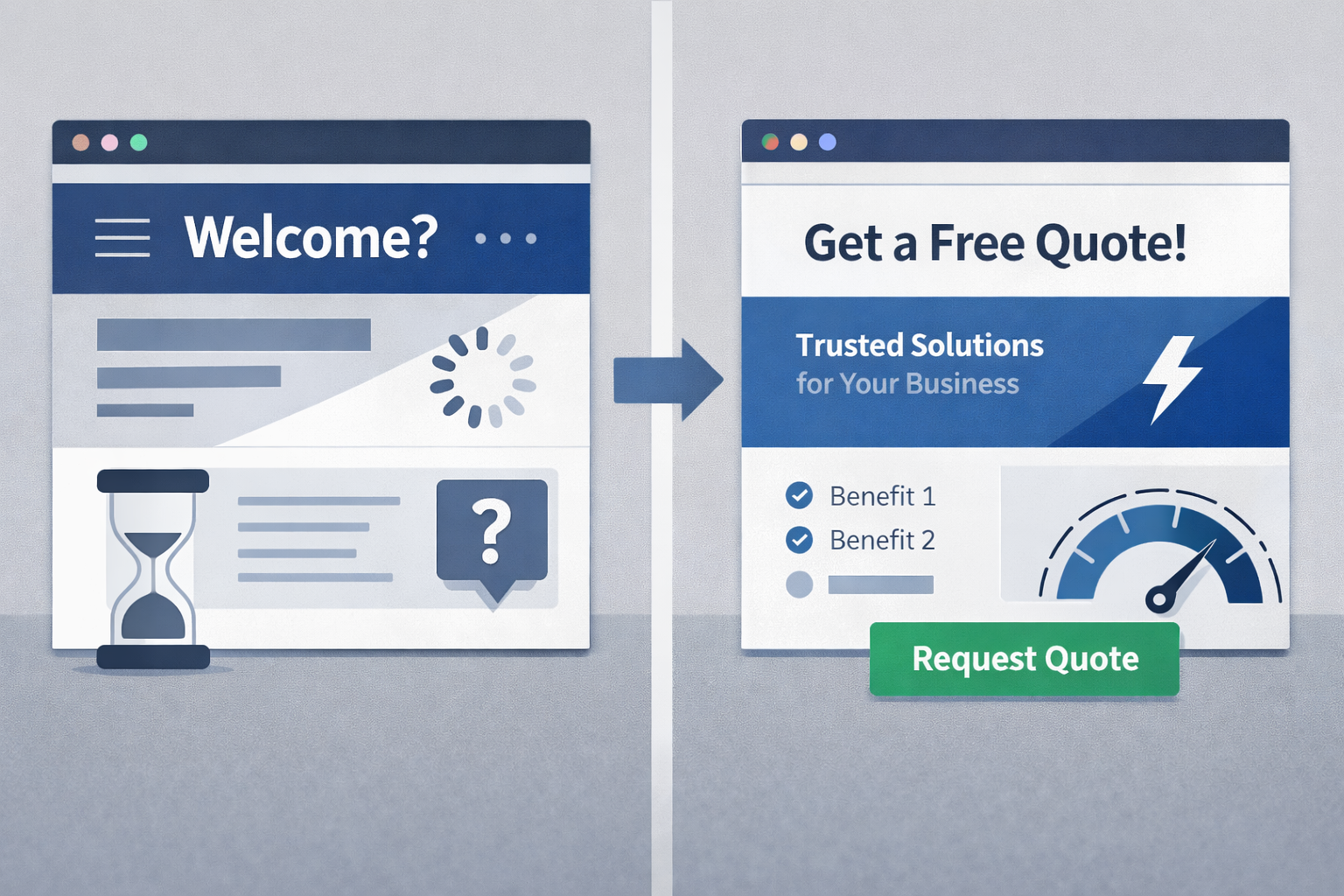
Conversion-focused websites are built to support growth. They align design, messaging, SEO, and UX.
At Torro, we see this approach consistently outperform design-only rebuilds. Especially for enterprise teams with complex sales cycles.
When to audit your website
If your site looks strong, but lead volume is flat, an audit is the right next step.
A website audit identifies friction points, performance issues, and missed opportunities across design, SEO, and UX.
Frequently Asked Questions
Why do beautiful websites still don’t convert?
Beautiful websites often focus on visuals instead of clarity, usability, and performance. Conversion requires clear messaging, strong UX, and a defined next step.
What makes a website convert better?
A converting website has clear value propositions, fast load times, intuitive navigation, and strong calls to action that match user intent.
Do enterprise websites have different conversion challenges?
Enterprise websites often serve multiple stakeholders and longer sales cycles. This requires clearer segmentation, trust signals, and strategic content paths.
How can I tell if my website has conversion issues?
High traffic with low lead volume, high bounce rates, and poor engagement metrics usually indicate conversion problems.
What is the fastest way to improve website conversion?
The fastest way is to run a professional audit that evaluates messaging, UX, speed, and analytics together.