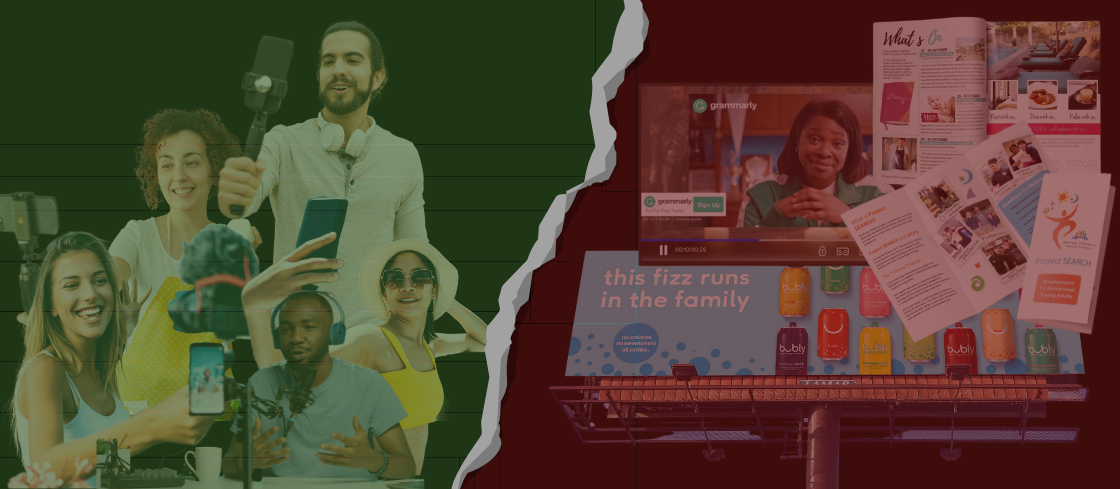
Social media is not slowing down in 2026. With more than 5 billion people active on social platforms and usage still climbing, the social media trends you lean into this year will decide how visible your brand is, how many leads you generate, and how much trust you build with your audience.
Key Summary
- 2026 trends in social media are shaped by short-form video, social search, and AI tools that change how content is created and discovered.
- People now spend more than two and a half hours per day on social platforms, so attention is there, but it is harder than ever to earn.
- Ten key social media trends to watch in 2026 include smarter vertical video, social commerce, private communities, AI assistants, and creator-led brands.
- To win, you will need clear positioning, fast content workflows, and a data-backed strategy instead of chasing every new feature.
- If you want a partner to turn 2026 social media trends into a real plan, Torro Media can help you connect social content to actual pipeline, not vanity metrics.
What We Mean By 2026 Trends in Social Media
When we talk about 2026 trends, we are not predicting one shiny new app that replaces everything else. Instead, we are looking at how user behavior, platform features, and business goals intersect across the major networks you already know.
There are now more than 5.4 billion social media users, and over 5.2 billion of them are active. That scale means small shifts in behavior turn into massive changes for brands. At the same time, platforms like Instagram, TikTok, YouTube, WhatsApp, and Reddit continue to grow, while usage of X is flattening or declining for many audiences. In other words, your audience is still on social, but they are more fragmented, more selective, and more search-driven than they were even a year or two ago. 2026 trends are about adapting to that reality instead of fighting it.
1: Short-Form Vertical Video Becomes the Default
Short-form video is no longer just a tactic, it is the default content format for a huge part of your audience. More than 90 percent of Gen Z and Millennials watch short-form videos on platforms like TikTok, Instagram, Facebook, and YouTube Shorts. Studies show that short clips drive significantly higher engagement and are more likely to be watched or shared than longer videos.
In 2026, the trend is not just “make Reels” or “post TikToks.” The real shift is toward smarter short-form video. Brands will lean into:
Contextual hooks that answer a question or promise a clear outcome in the first three seconds.
Series-based content, where you turn one topic into multiple episodes instead of one long explainer.
Platform-native editing, using built-in tools and templates so content looks like it belongs in the feed.
If you are still cutting down long webinars into random clips, you are behind. 2026 trends in social media video favor focused, search-friendly clips that solve one problem at a time.
2: Social Search Competes With Google
Social media trends are shifting search behavior. Younger users already treat TikTok, Instagram, and YouTube as search engines for what to buy, where to go, and how to do something. That behavior is spreading into older age groups as platforms improve search results and recommendations.
People search for “best CRM for startups,” “how to fix a leaky sink,” or “content ideas for realtors” directly inside social apps. Your content now has to be written and scripted like an answer, not just a post.
To keep up with 2026 trends around social search, you will need to:
Write captions and on-screen text that include natural language keywords and questions your audience actually types.
Use clear titles and descriptions for Reels, TikToks, and Shorts instead of vague hooks that look clever but say nothing.
Organize content into playlists, guides, and series so the algorithm understands what you are about.
The brands that treat social platforms like search engines will ride this trend. The ones that treat them like random billboards will keep wondering why their reach keeps shrinking.
3: Social Commerce Becomes a Normal Buying Path
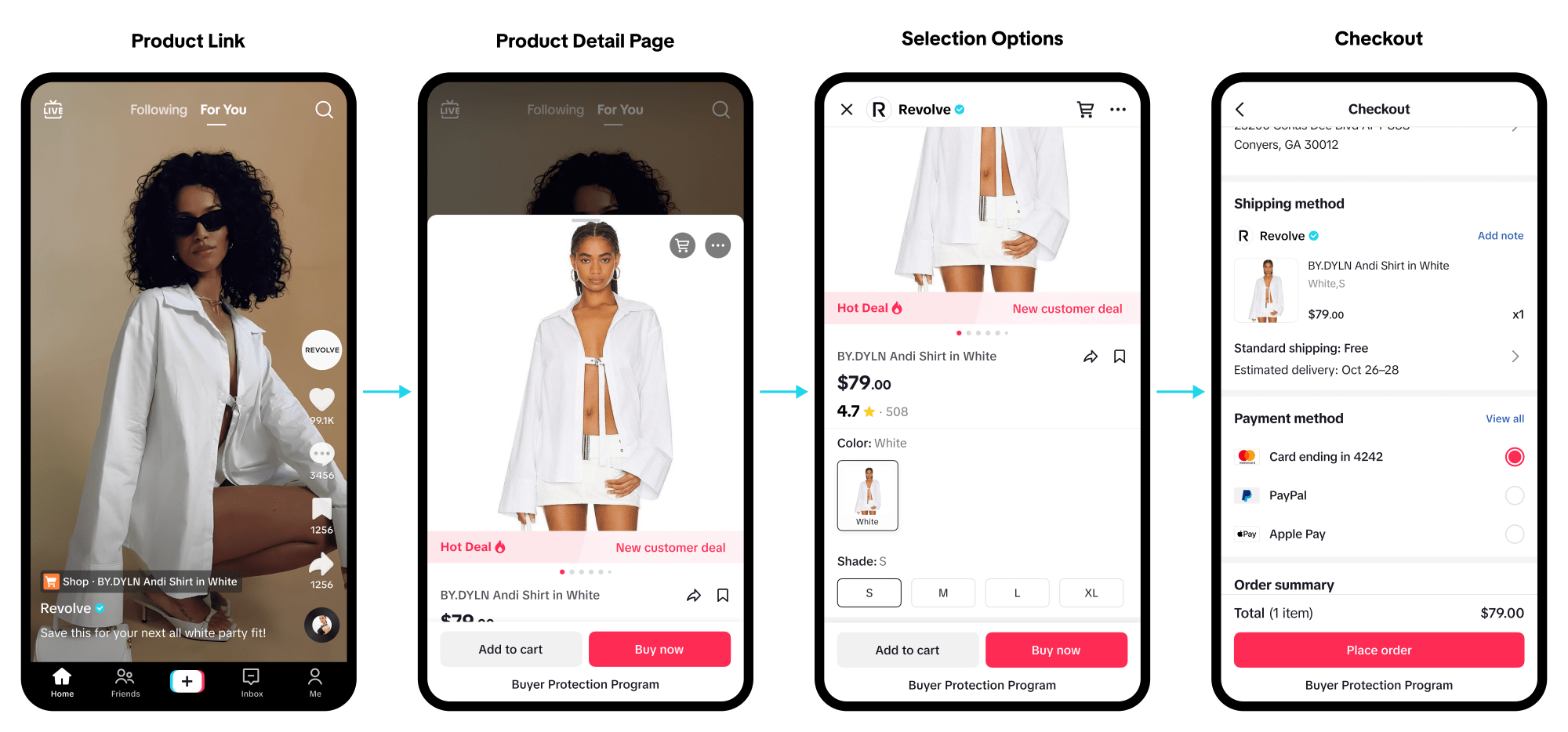
Social commerce is not a side experiment anymore. Global social commerce sales are forecast to reach more than 900 billion dollars in 2026, and in the United States alone, social commerce is expected to cross 100 billion dollars in sales that year.
That is why 2026 trends put a bigger spotlight on shoppable content. Product tags, in-app storefronts, and live shopping features will feel less like a novelty and more like a standard part of the buying journey.
Here is what that means for your strategy:
Your content has to make the next step obvious, whether that is “view product,” “save this for later,” or “talk to sales.”
Your product catalog, feeds, and pixel tracking must stay clean and up to date, or your ads and organic posts will send people to dead ends.
You will need social-specific landing pages that match the content people just watched, not generic homepages.
If you are unsure how to tie all of that together, you can lean on a partner like Torro Media that already builds social campaigns with commerce, lead generation, and pipeline in mind.
4: Private Communities and DMs Take Center Stage
One of the most important 2026 social media trends is something you cannot always see in the public feed. Messaging and private communities are quietly becoming the real engine of social engagement.
Research shows big jumps in how often people use TikTok, Snapchat, and Instagram to message friends and family, not just scroll content. At the same time, brands are building invite-only communities on platforms like Discord, WhatsApp, Geneva, and private Facebook Groups to deepen relationships.
For you, that means:
Comments are not the end of the conversation. DMs, replies, and group chats are where sales conversations and referrals actually happen.
You should design content that invites a reply or a question, not just a like. Ask for feedback, hot takes, or quick audits people can request in the DMs.
Your customer support team should be plugged into social inboxes so issues get solved in the same channels where they start.
5: AI Co-Pilots Become Part of Every Social Workflow
AI is not one single 2026 trend, it is a layer on top of every other social media trend. Marketers are already using AI tools to brainstorm content ideas, repurpose long-form content into short-form clips, generate caption drafts, and even build basic creative variations for ads.
In 2026, the brands that win will not be the ones who automate everything. They will be the ones who use AI as a co-pilot, then apply human judgment on top.
Here is how that tends to look inside a healthy social workflow:
AI helps identify patterns across your top-performing posts and surfaces topics, hooks, and formats that keep working.
Your team then pressure-tests those ideas against what you know about your audience, your positioning, and your offer.
You use AI to speed up mechanical tasks like resizing, transcribing, and generating first-draft captions, then edit for voice and accuracy.
This balance lets you ship more content without sacrificing the “this feels like us” factor that actually builds trust.
6: Creator-Led Brands and UGC Outperform Polished Ads
Another big 2026 trend is the continued shift from polished brand creative to creator-led content and user generated content. People increasingly trust real humans who look and talk like them, not just studio-level assets.
Almost half of Americans say they watch more user generated content on social media than movies and television on streaming services. That is a huge signal for how your brand should show up.
In practice, you will see more brands:
Partnering with niche creators who speak directly to a specific industry, hobby, or local market.
Turning happy customers into content by asking for short video testimonials or “day in the life” clips.
Building long-term creator relationships instead of one-off sponsorships that disappear from the feed after a week.
If your 2026 content calendar is still full of nothing but static graphics and product shots, this is the year to change that mix.
7: Social Media Becomes a Customer Experience Channel
Social media trends in 2026 are not just about awareness. They are about the entire customer journey, from discovery to support to retention.
Customers already expect fast answers on social platforms. They ask pre-sales questions in comments, complain about issues in stories, and tag you when things go wrong or right. Many people find it faster to contact a brand on social than by email.
The smart move is to treat social as an extension of your customer experience team:
Set clear response time expectations in your bio or highlights.
Give your social team enough product knowledge and authority to actually solve problems, not just “escalate” them.
Use recurring questions as content prompts. If people keep asking the same thing, that is a clear signal for a video or carousel.
Done well, this turns social into a retention engine, not just a top-of-funnel channel.
8: Measurement Moves Past Vanity Metrics
In 2026, likes and follower counts still matter, but they are not the main scoreboard. With more social commerce, better attribution tools, and tighter budgets, brands care much more about revenue, pipeline, and cost per acquisition coming from social.
That is why one of the most important 2026 trends is the shift toward deeper measurement:
Tracking how many leads, demo requests, or purchases come from each platform and format, not just “engagement.”
Measuring assisted conversions, where social touches a user earlier in the journey even if the final conversion happens from email or search.
Running controlled tests on hooks, content types, and posting cadence instead of guessing at what works.
This is where working with a data-driven team pays off. If you are serious about tying social results to real business outcomes, you can talk with Torro’s team through the Contact Us page and see what that looks like for your brand.
9: Social Media Trends Fragment Across Platforms
Pew and other researchers are already showing how different age groups and communities cluster around different platforms. YouTube and Facebook still dominate overall usage, while Instagram, TikTok, WhatsApp, and Reddit are surging, and X is losing ground with some users.shopp
In 2026, this fragmentation accelerates. That does not mean you need to be everywhere. It means you need to be intentional about where you show up and what type of content you post on each platform.
A few practical moves:
Pick one or two primary platforms for your brand based on where your best customers actually spend time.
Adapt content to the culture of each platform instead of reposting the same exact asset everywhere.
Use secondary platforms as distribution, not as places you try to run full campaigns if you do not have the bandwidth.
This portfolio approach fits Torro Media’s mentality: less chasing every trend, more doing a few things very well.
10: Full-Funnel Social Strategies Replace Random Posting
The last big 2026 trend is more strategic than tactical. Brands are moving away from random posting and toward full-funnel strategies that connect content to each stage of the buyer journey.
That means mapping posts to stages like:
Problem-aware content that names the frustration your audience already feels.
Solution-aware content that explains frameworks, case studies, and “how this actually works.”
Offer-aware content that invites people into a specific next step, like downloading a guide, booking a call, or trying a sample.
Retention content that helps current customers get more value from what they already bought.
Instead of viewing social media trends as random waves to ride, high-performing brands treat them as tools inside a bigger system.
How to Use These 2026 Trends Without Overwhelming Your Team
It is easy to read a list of 2026 social media trends and feel like you need to do everything at once. You do not. The goal is to choose two or three trends that match your resources, your audience, and your offers, then build systems around those.
A simple way to start:
Pick one primary short-form format that you can commit to weekly.
Optimize your profiles and a handful of posts for social search so people can actually find you.
Choose one or two points in your funnel where social can drive measurable results, like lead forms or product pages.
From there, you can layer in social commerce features, private communities, or more advanced measurement as your team gets comfortable.
If you want help turning these 2026 trends into a clear, realistic roadmap for your brand, you can reach out through Torro’s Social Media Management services or talk through the larger mix of channels using our Digital Marketing Services. And if you are ready to see what that could look like for your team, you can start the conversation on our Contact Us page.
Frequently Asked Questions
What are the biggest 2026 trends in social media?
The biggest 2026 trends in social media are the dominance of short-form video, the rise of social search, the growth of social commerce, and the shift toward private communities and DMs. 2026 trends also include heavier use of AI tools, creator-led content, and more serious measurement so brands can tie social activity to revenue instead of just engagement.
How will 2026 trends change social media marketing for brands?
2026 trends will change social media marketing by forcing brands to move from “posting to stay active” to building real systems around content, search, and conversion. Social media strategies in 2026 will lean on short-form video, shoppable posts, and creator partnerships, while measuring leads, sales, and customer lifetime value instead of vanity metrics like likes and follower counts.
Which platforms will lead social media trends in 2026?
The platforms leading social media trends in 2026 will include Instagram, TikTok, YouTube, and WhatsApp, with Reddit and other niche communities playing bigger roles for certain audiences. 2026 trends show that people often use several platforms at once, so the real question is which platform your target customer relies on most for discovery, advice, and buying decisions.
How can small businesses prepare for 2026 social media trends?
Small businesses can prepare for 2026 social media trends by choosing one or two key platforms, focusing on consistent short-form video, and optimizing posts for social search. The most important step is to connect each social media trend you follow to a clear goal, like booking more calls or selling more products, so every post has a job and every trend you chase has a purpose.
Are 2026 trends different for B2B and B2C social media strategies?
2026 trends are similar for B2B and B2C in that both rely on short-form video, creators, and social search, but the execution looks different. B2B brands will lean more on thought leadership, case studies, and educational content, while B2C brands will emphasize lifestyle, product demos, and user generated content. In both cases, the brands that win will be the ones that use social media to answer real questions, not just push promotions.
Final Thoughts
Social platforms will keep shifting in 2026, but the core idea stays the same. People want useful content, honest communication, and brands that show up with intention. You do not need to chase every trend on this list. Pick a few that fit your voice, your team, and your audience, then build consistent systems around them.
That is how real growth happens. Not from guessing, but from clear positioning, steady execution, and content that solves problems your audience actually has. If you want support turning these 2026 trends into a social strategy that drives revenue, not noise, Torro Media is here to help!