
TLDR Key Summary:
- Google Preferred Sources allows users to select websites they trust and want to see more often in Search, Top Stories, and Google Discover.
- This is not a traditional ranking factor. Google still prioritizes relevance, quality, authority, and helpful content.
- The bigger story is trust. Google is increasingly using user preference signals to understand which brands, publishers, and creators people rely on.
- Most SEOs are looking at Preferred Sources as a tactic. The real opportunity is understanding how it reflects the future of personalized and AI-powered search.
- Local businesses should not treat this like another review request. Instead, focus on creating enough value that customers naturally want to add your brand as a trusted source.
- Publishers, content creators, and media companies should pay close attention. Preferred Sources may become an important audience-building signal alongside email subscribers, social followers, and Google Discover traffic.
- The future of SEO is shifting from rankings to relationships. The brands that win AI Search will build trust, publish helpful content, and become the sources people actively choose.
- The goal isn't getting people to check the box. The goal is becoming the kind of source people want to check.

Most marketers are looking at Google’s new Preferred Sources feature and asking the wrong question.
They’re asking, “How can I use this to rank higher?”
The better question is, “What does this tell us about where Google Search is heading?”
That’s where the real opportunity is.
Google Preferred Sources is not just another feature. It is a signal. It gives us a clearer look at how Google is thinking about trust, personalization, and AI-powered search.
If you are a business owner, marketer, publisher, or SEO professional, this is worth paying attention to.
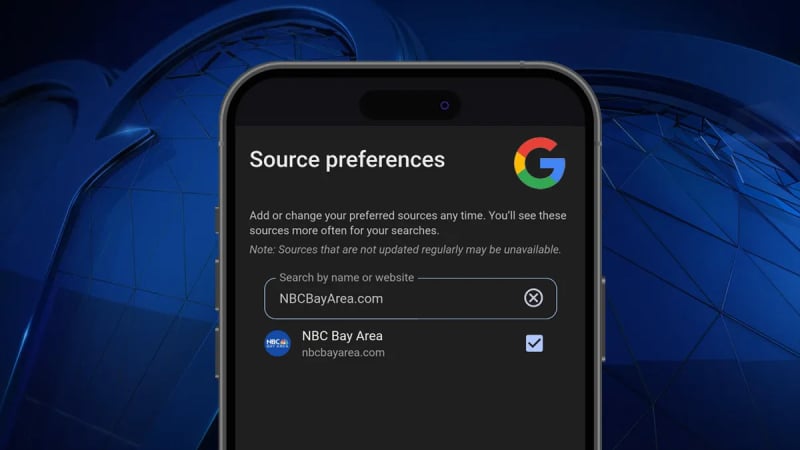
What Is Google Preferred Sources?
Preferred Sources allows users to tell Google which websites they trust and want to hear from more often.
Think of it like:
- Following a creator on YouTube
- Subscribing to a newsletter
- Favoriting a podcast
- Following an account on social media
Except now, it is happening inside Google Search.
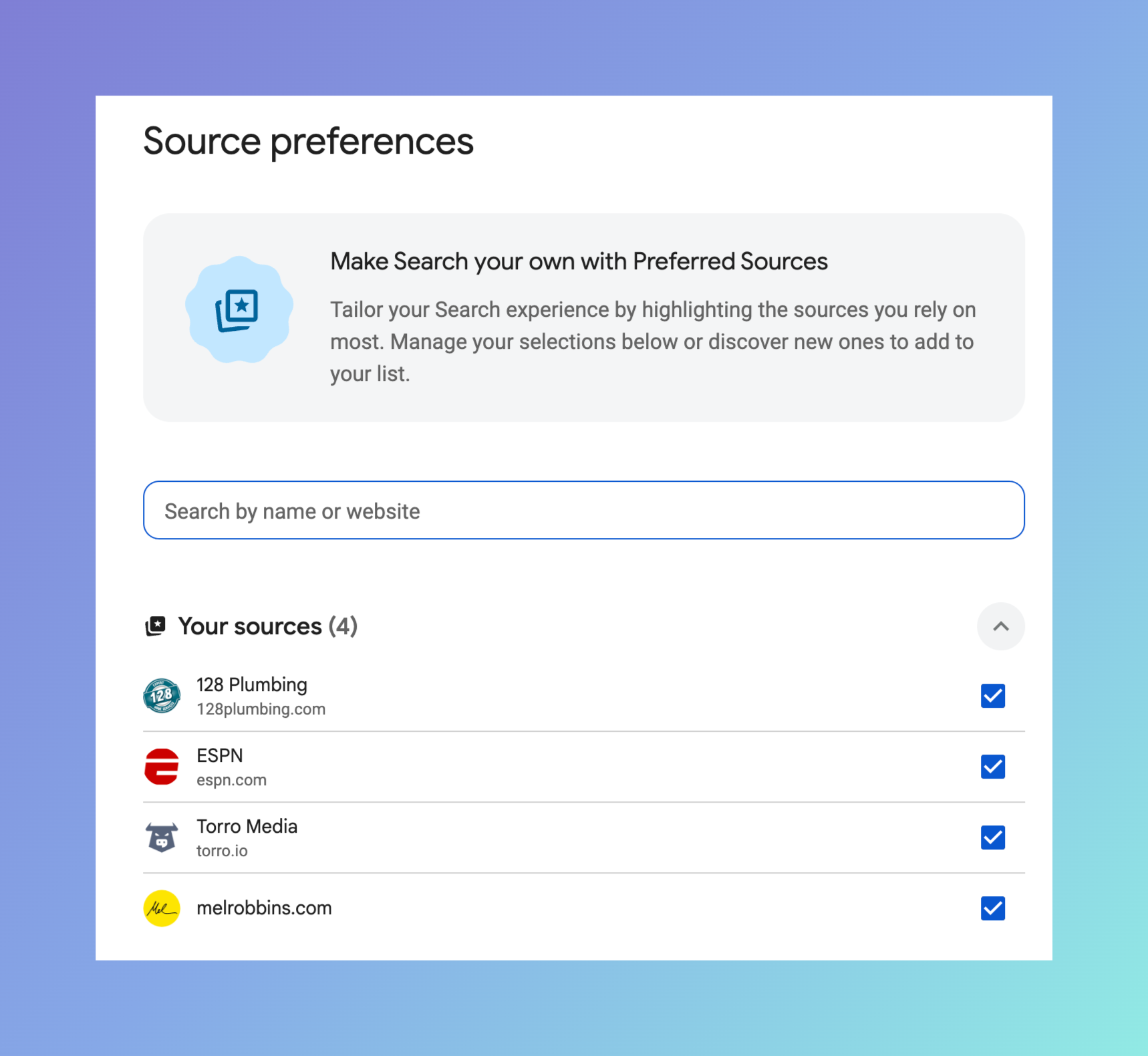
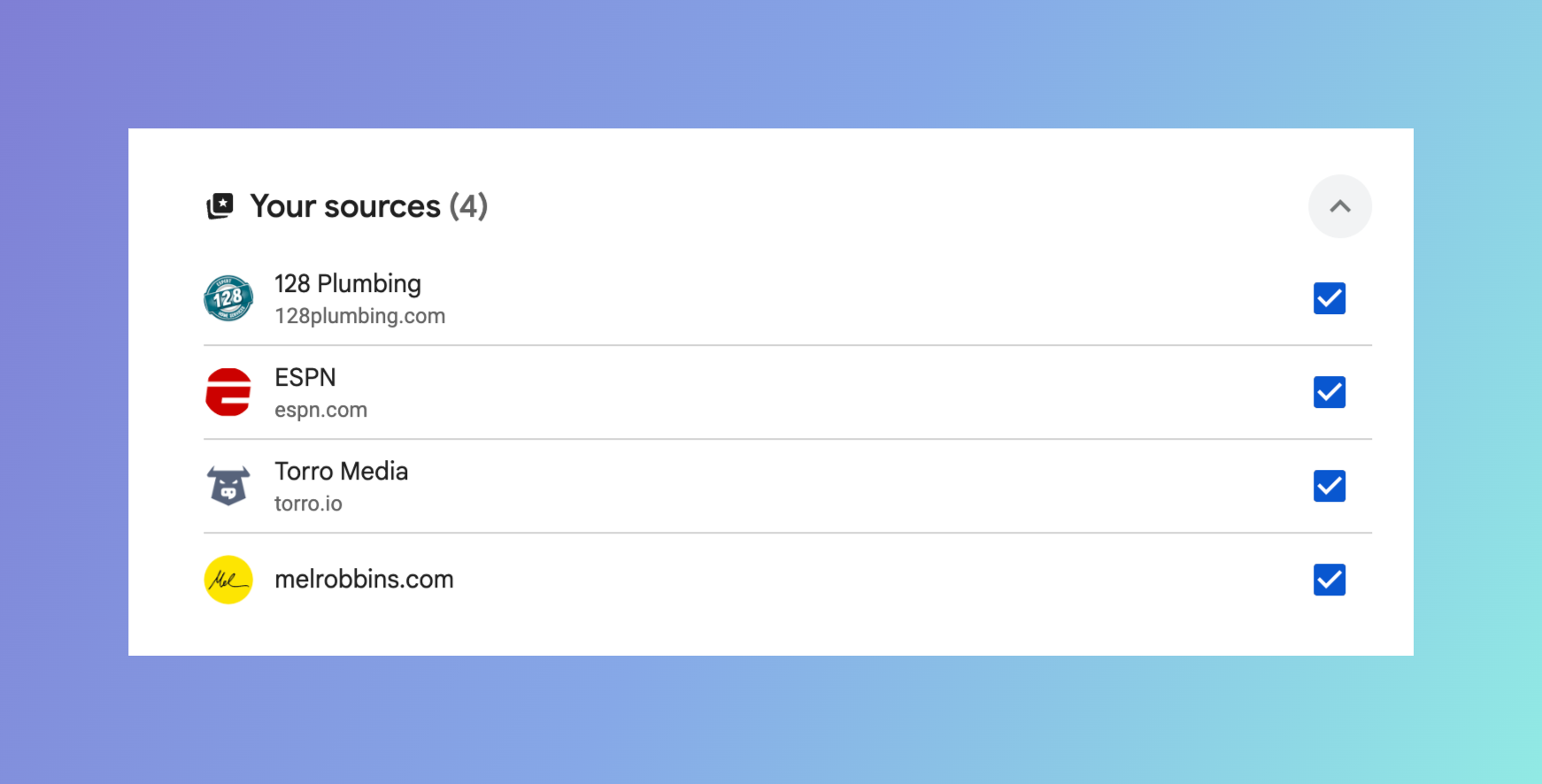
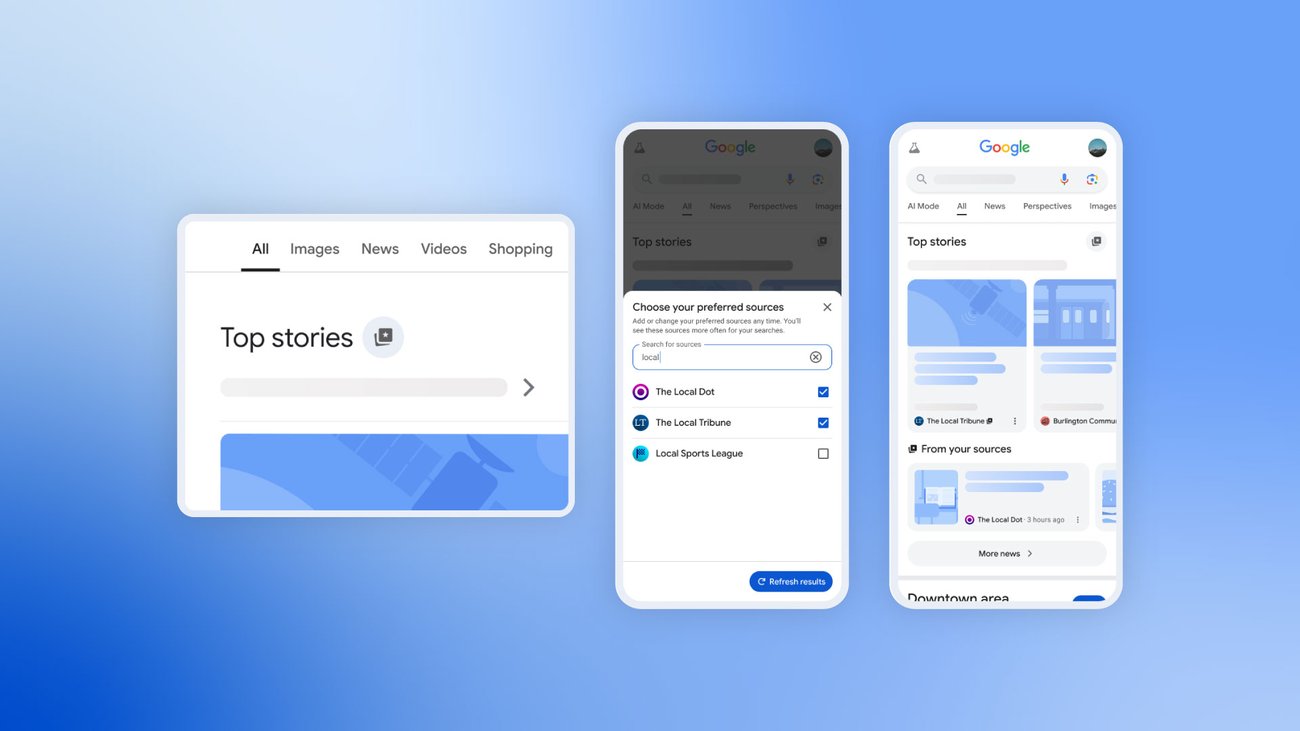
Users can visit Google’s Preferred Sources page, search for a website, and add that website to their personal list of trusted sources.
Once selected, Google may show content from those sources more frequently across personalized search experiences, including Search, Top Stories, and Google Discover.
Important note: this does not mean the selected website automatically ranks number one.
Google still prioritizes relevance.
But it does mean users can now explicitly tell Google, “I trust this source.”
And that changes the conversation.
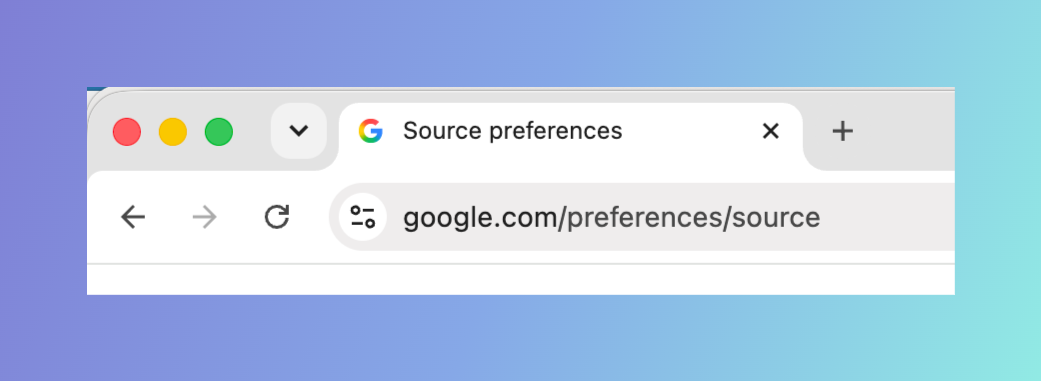
How Google Preferred Sources Works
The process is simple.
- Go to google.com/preferences/source
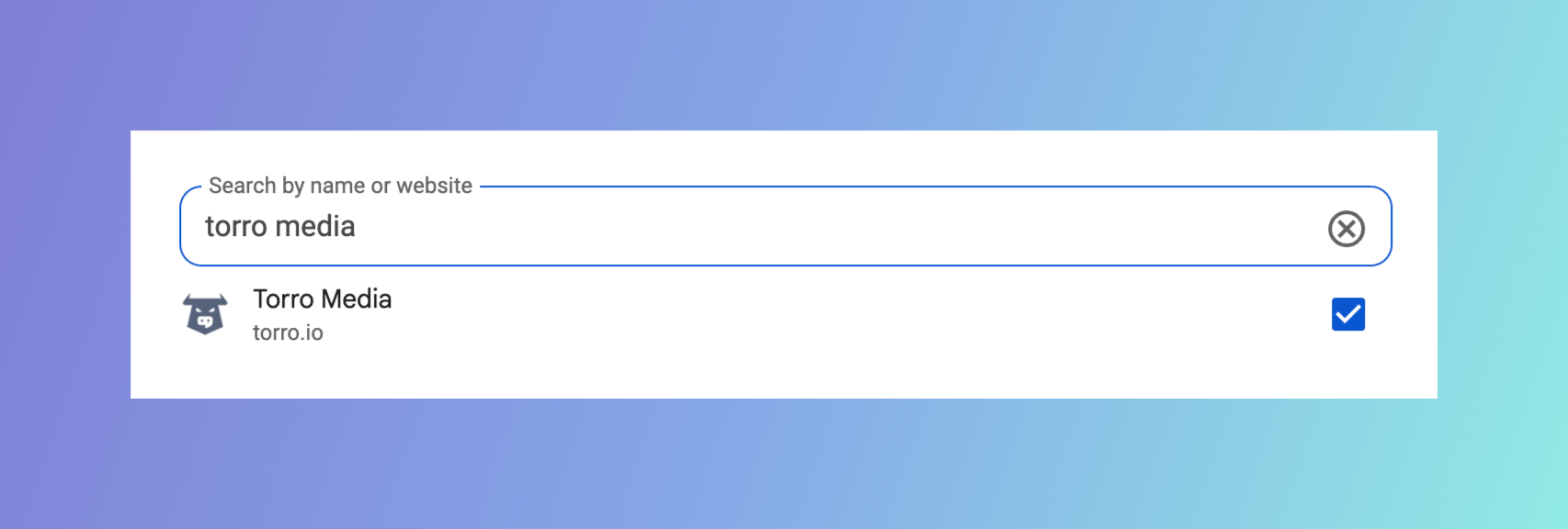
- Search for a company, website, publisher, or creator
- Check the box next to the source
- That website is added to the user’s personal source list
From there, Google has another preference signal tied to that user.
If that source publishes relevant content, Google may show it more often to that person in places like Search, Top Stories, and Discover.
Why Most SEOs Are Missing the Point
Whenever Google launches something new, the SEO industry tends to react the same way.
People immediately start looking for loopholes.
How do I optimize for this?
How do I scale this?
How do I turn this into a ranking hack?
But Preferred Sources is not really an SEO hack.
It is a trust signal.
The goal is not getting people to check the box.
The goal is becoming the kind of source people want to check.
That is a very different mindset.
A local plumber cannot realistically email every customer and expect them all to add the company as a Preferred Source.
But if that plumbing company consistently publishes helpful content, answers customer questions, creates educational videos, sends useful emails, and becomes known as the trusted authority in its market, something changes.
People begin to seek them out.
That is the real lesson.
Google Is Learning Who People Trust
For decades, Google relied on signals like:
- Links
- Content quality
- Keywords
- Authority
- User engagement
Those signals still matter.
But AI Search creates a new challenge.
Google now needs to understand not only what content is relevant, but which sources users trust.
That is exactly what Preferred Sources helps Google understand.
Google’s own language says users can “highlight the sources they rely on most.”
That wording matters.
Not just websites they visit.
Not just websites they click.
Sources they rely on.
Reliance implies trust.
And trust is becoming one of the most valuable assets in AI Search.
The Bigger Shift Happening in Search
Preferred Sources is part of a much larger trend.
Search is becoming more personalized.
Historically, if two people searched for the same thing, Google tried to provide roughly the same answer.
Today, Google is moving toward experiences influenced by:
- Search history
- Interests
- Location
- Behavior
- Content preferences
- Trusted sources
In other words, Google is learning that not every user wants the same answer.
One user may trust ESPN.
Another may trust The Athletic.
Another may trust a local sports blogger.
Preferred Sources gives users a way to tell Google that directly.
What This Means for Local Businesses
At first glance, Preferred Sources seems like a feature built for news websites, publishers, and media companies.
That is partially true.
But local businesses should still pay attention.
Imagine a homeowner who:
- Uses the same plumber repeatedly
- Opens their emails
- Watches their videos
- Reads their blog posts
- Trusts their advice
If that homeowner adds the company as a Preferred Source, Google now has another signal indicating trust and preference.
Will that instantly generate new leads?
Probably not.
Will it strengthen the relationship between that customer and the brand?
Absolutely.
That is why the strategy should not be, “Ask every customer to add us as a Preferred Source.”
The better strategy is, “Create enough value that our best customers actually want to.”
What This Means for Publishers and Content Creators
For publishers, Preferred Sources is more directly tied to the way users consume information.
If a person prefers a specific news outlet, creator, blog, or media brand, this feature gives them a way to signal that preference inside Google.
That matters for:
- Top Stories visibility
- Google Discover exposure
- Repeat readership
- Audience loyalty
- Brand preference
Publishers should treat Preferred Sources as another layer of audience development.
It belongs next to email subscriptions, push notifications, social follows, YouTube subscribers, and RSS feeds.
The more direct relationships a publisher builds with its audience, the less dependent it becomes on generic search visibility alone.
How Businesses Should Actually Use Preferred Sources
The worst way to use this feature is to turn it into spam.
Nobody wants five emails asking them to add a company as a Preferred Source.
But there are smart ways to introduce it.
1. Add It to Helpful Content
If your business publishes guides, articles, videos, or resources, add a simple callout near the end:
If you found this helpful, you can add us as a Preferred Source on Google so our future guides show up more often for you.
2. Add It to Your Newsletter
Your newsletter audience is already your warmest audience.
They have opted in because they want to hear from you.
That makes it one of the most logical places to introduce Preferred Sources.
3. Add It to Thank-You Pages
After someone submits a form, downloads a guide, or completes a purchase, you can include a subtle CTA:
Want to see more helpful content from us in Google? Add us as a Preferred Source.
4. Add It to Customer Follow-Ups
For local businesses, this can work after a great customer experience.
But it should be secondary to more important actions like leaving a Google review.
The order should usually be:
- Ask for the review
- Invite them to join your email list
- Then introduce Preferred Sources as an optional way to keep seeing your content
5. Add It Beside Other Social CTAs
If you already have icons for Facebook, Instagram, LinkedIn, YouTube, or newsletter signup, Preferred Sources can sit alongside those.
Think of it as another follow button.
But this one lives inside Google.
Traditional SEO vs AI Search SEO
| Traditional SEO | AI Search SEO |
|---|---|
| Optimizes for rankings | Optimizes for trust and visibility across AI experiences |
| Focuses heavily on keywords | Focuses on answering real questions clearly |
| Measures position and traffic | Measures citations, mentions, visibility, and brand preference |
| Builds backlinks | Builds authority, trust, and audience relationships |
| Targets search engines | Serves both users and AI systems |
| Publishes content to rank | Publishes content to become a trusted source |
The Future of SEO
This is where things get interesting.
For years, SEO was largely about becoming easier to find.
The next era of search is increasingly about becoming the source people choose.
That is a completely different game.
The businesses that win AI Search will not necessarily be the ones with:
- The most backlinks
- The most pages
- The most technical optimization
- The most aggressive keyword strategy
They will be the ones with:
- Strong brands
- Trusted voices
- Helpful content
- Direct audience relationships
- Loyal customers
In other words, they will act more like publishers than traditional businesses.
Google did not build Preferred Sources for businesses.
They built it for sources.
And the companies that understand that distinction will have a real advantage.
FAQ: Google Preferred Sources
What is Google Preferred Sources?
Google Preferred Sources is a feature that allows users to select websites they trust and want to see more often in personalized Google experiences such as Search, Top Stories, and Google Discover.
Does Preferred Sources help SEO?
Preferred Sources may influence how often selected websites appear for individual users, but it does not replace traditional ranking systems. Relevance, quality, authority, and helpful content still matter.
Can any business be added as a Preferred Source?
Users can search for websites and add sources they trust. This can include businesses, publishers, creators, blogs, and news sites.
Should local businesses ask customers to add them as a Preferred Source?
Local businesses should not treat this as a mass customer request. It is better used with loyal customers, newsletter subscribers, repeat customers, and people who already value the company’s content.
Where can users manage Preferred Sources?
Users can manage Preferred Sources at google.com/preferences/source.
Is Preferred Sources a ranking factor?
Preferred Sources should be thought of as a personalization and trust signal, not a traditional ranking factor. It can help Google understand user preferences, but it does not guarantee rankings.
Final Thoughts
The checkbox is not the story.
The story is what the checkbox represents.
Google is openly telling us that trust, preference, and audience relationships matter.
Preferred Sources may never become a major ranking factor in the traditional sense.
But it reveals something much more important.
Google wants to understand who users trust.
The future winners in AI Search will not simply be the websites that rank.
They will be the sources people choose.
The future of SEO is not becoming easier to find.
It is becoming the source people trust.