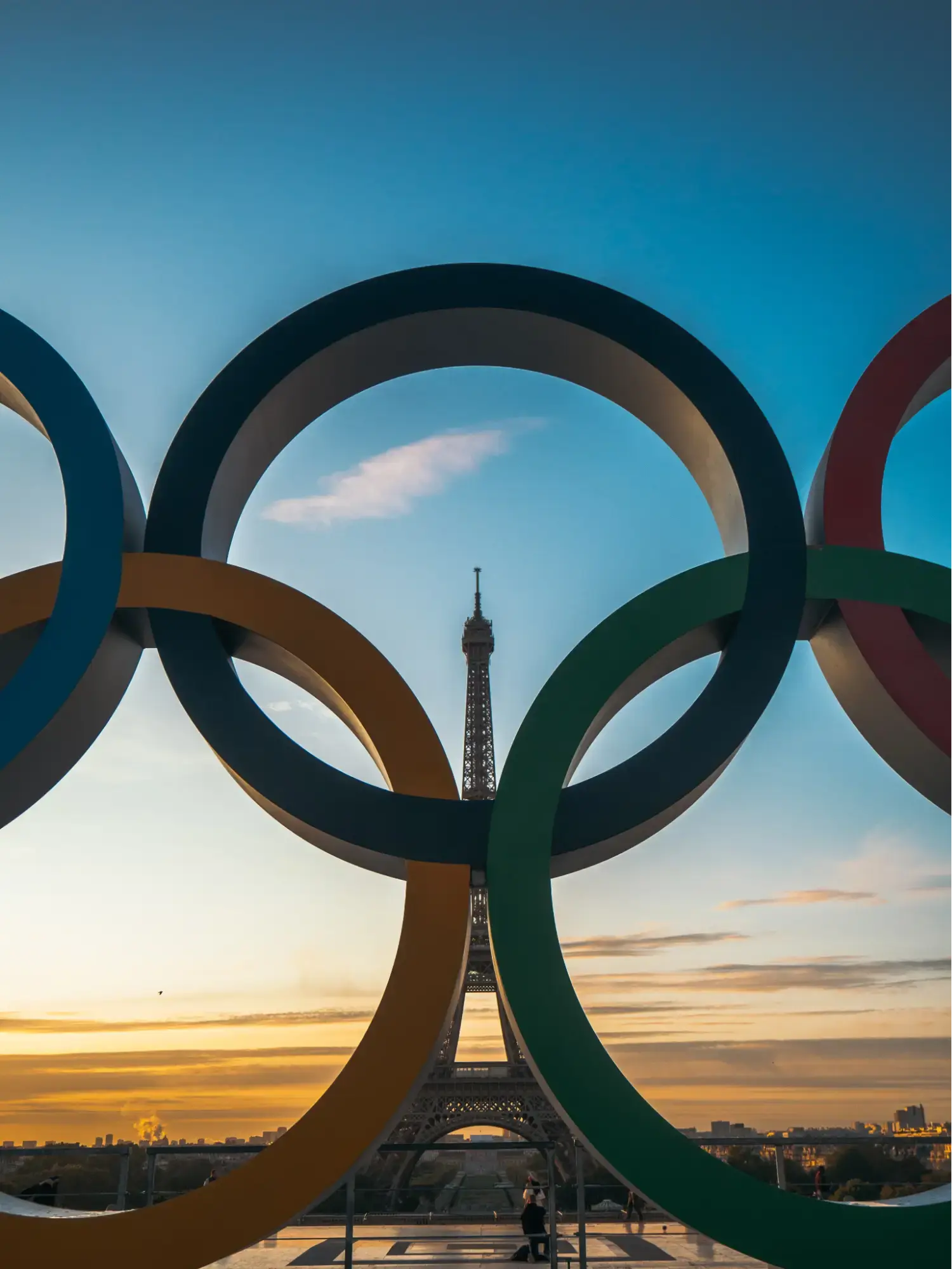
The Winter Olympics are still a global TV event, but the way fans discover highlights, follow athletes, and talk about moments is shifting fast. Olympics marketing now has to work on broadcast and streaming, plus social media feeds where attention is earned in seconds. If your brand is still planning like it is 2014, you are already late.
Key Summary
Olympics marketing is moving from a TV-first playbook to a social media-first mindset, especially during the Winter Games.
Short-form video, creator content, and athlete-led storytelling are changing how fans find highlights and how brands earn attention.
The brands that win now build for speed, context, and community, then connect those moments back to bigger campaigns.
What Olympics Marketing Means Now
Olympics marketing is the strategy brands, broadcasters, teams, and sponsors use to build attention, trust, and demand around the Olympic Games. It includes media buys, creative, partnerships, PR, and everything that turns Olympic moments into lasting brand memory.
In the Winter Olympics era, that definition has expanded. It is not just about buying premium placements during prime-time coverage. It is also about earning relevance in social media, where the audience experiences the Games in clips, reactions, and conversations that happen all day.
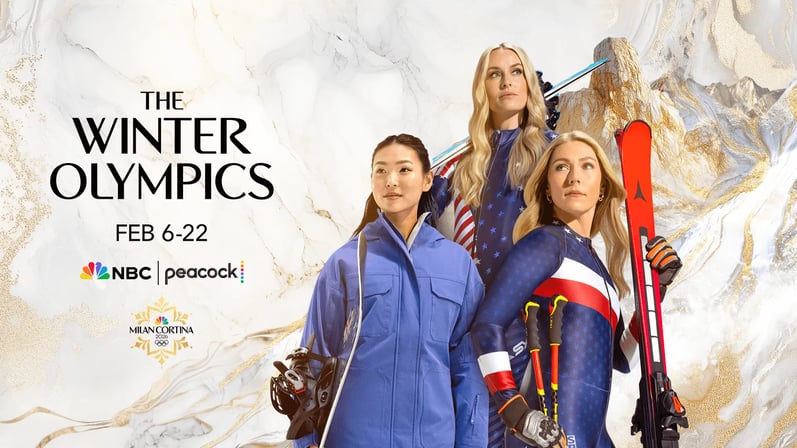
Why the Winter Olympics are a Marketing Pressure Test
The Winter Olympics compress a lot of storytelling into a short window. Events are fast, schedules are dense, and breakout moments can happen without warning. That creates a marketing environment where timing matters as much as creative quality.
It also forces brands to communicate to different types of fans at once, the dedicated viewers watching full events, the casual fans catching medal moments, and the social media audience that follows athletes and highlights like an ongoing series.
From Broadcast Dominance to a Multi-Screen Reality
For decades, Olympic coverage was a top-down experience. Networks curated the story, fans watched what was scheduled, and brands focused on a small number of high-impact ads and sponsorship placements.
Now fans build their own Olympic experience across screens. They might watch a final on TV, then immediately search for behind-the-scenes content, athlete reactions, and explainer clips on social media. The moment does not end when the broadcast cuts to commercial, it continues in the feed.
Why Social Media Changed the Center of Gravity
Social media did not replace TV, it changed what people expect from sports content. Fans want instant context, personal perspective, and shareable moments. They want to feel close to athletes, understand stakes quickly, and participate in the conversation.
For olympics marketing, that means the story is no longer controlled by one channel. The story is co-created by athletes, creators, journalists, team accounts, and fans, all reacting in real time.
What TikTok-Style Storytelling Does Differently
TikTok-first content is built around retention. It rewards a strong opening, clear payoff, and a reason to keep watching. It also favors content that feels native, not overly produced, not overly scripted, and not overly branded.
That shift matters for the Winter Olympics because many sports need fast explanation. A 20-second clip that shows a run and explains why it was risky can outperform a polished brand spot that assumes the audience already understands the event.
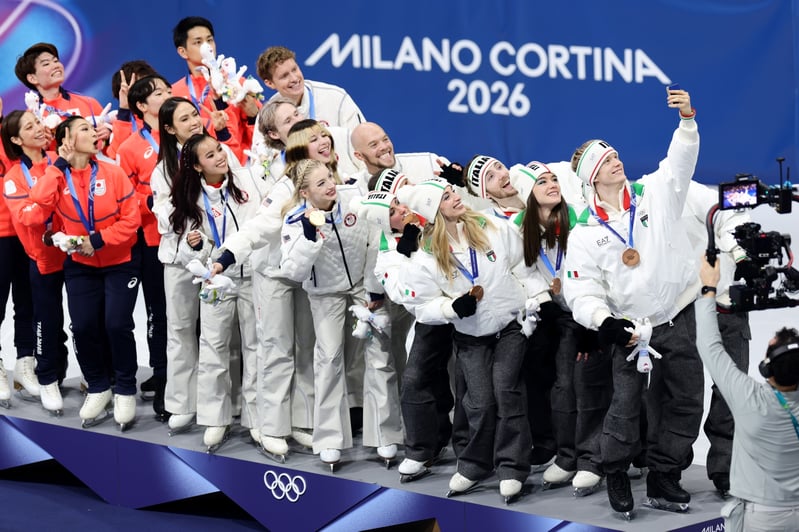
Athletes are Not Just Talent, They are Media Channels
Assume zero prior knowledge from the average viewer. Most people do not know the difference between disciplines, qualification rules, or what makes a score elite. Athletes can bridge that gap in a way brands cannot, because fans trust the person who actually did the thing.
Athlete-led content performs because it combines authenticity and authority. It shows training, nerves, routines, recovery, and life inside the village. That is the stuff fans cannot get from a highlight package, and it keeps people coming back between events.
The New Highlight Economy, Speed Wins
Highlights used to be scarce. Now they are abundant, and the battle is for attention. The winners are the accounts and brands that publish quickly, provide context, and make content easy to share.
Speed does not mean sloppy. It means planning ahead so your team can move fast without guessing. If you want to play in olympics marketing, you need an approved toolkit, clear guardrails, and a content workflow that can react within minutes, not days.
Creators are the Translation Layer for Casual Fans
Creators are not just entertainers. During the Winter Olympics, they often become translators. They explain rules, break down judging, and turn niche events into understandable stories. That helps casual fans care, and when fans care, brands have a chance to matter.
The smartest partnerships focus on fit, not follower count. A creator who understands winter sports culture and can tell a clear story often outperforms a generic influencer drop, even with a smaller audience.
Community and Conversation are Now Part of the Media Buy
In social media, the comments are the content. People watch, then they read reactions, then they share. Brands that ignore this miss a major driver of reach and sentiment.
Winning olympics marketing campaigns plan for interaction. They publish content designed to spark responses, they show they are listening, and they respond in a way that feels human. That does not mean trying to be the main character, it means showing up with taste and timing.
How Brands should Adapt their Winter Olympics Playbook
Start with what and why. What is the story you are attaching to, and why should anyone care about your role in it? If you cannot answer that in one sentence, social media will expose it fast.
Then build an execution plan that respects how people actually consume the Games today. A strong approach usually includes these moves.
Build content for three speeds. Pre-Games content that introduces athletes, storylines, and expectations. Real-time content that reacts to moments quickly with context. Post-moment content that recaps, explains, and extends the story for people who missed it live.
Make your creative modular. The same core idea should work as a short video, a still, a caption, and a simple explainer. If your campaign only works in one format, it will struggle when the conversation shifts platforms.
Measure attention, not just impressions. In a social media environment, a view is not the same as impact. Track retention, saves, shares, comment quality, and how often people search for your brand after key moments.
What a Modern Olympics Marketing Strategy Looks Like
A modern strategy treats TV and streaming as the credibility layer and social media as the momentum layer. TV still signals scale and importance. Social media creates frequency, intimacy, and culture.
When those work together, the brand feels present without being intrusive. The audience feels informed, entertained, and included. That is the real shift, the best campaigns are not only seen, they are participated in.
Common Mistakes Brands Make During the Winter Olympics
They over-brand the moment. If the creative feels like an ad first, people scroll.
They post highlights without context. A great moment with no explanation can underperform, especially in niche winter sports.
They wait too long. By the time the approval chain finishes, the conversation has moved on.
They treat social media as a distribution channel only. It is also a feedback loop, and ignoring that is a wasted advantage.
Frequently Asked Questions
What is olympics marketing?
Olympics marketing is how brands and partners promote themselves around the Olympic Games through sponsorships, media, creative campaigns, and storytelling. Today it includes TV and streaming, plus social media content that shapes how fans experience Olympic moments.
How has social media changed olympics marketing?
Social media changed olympics marketing by shifting attention from scheduled broadcasts to always-on highlights, reactions, and athlete content. Fans now discover key moments in feeds, then choose what to watch next, which forces brands to create faster, more native storytelling.
Why is TikTok important for Winter Olympics marketing?
TikTok is important because it rewards short, clear, high-retention storytelling, which matches how casual fans consume Winter Olympics content. It also helps niche sports grow by pairing highlights with quick context, making the Games easier to follow for new audiences.
Do TV ads still matter for olympics marketing?
Yes. TV still delivers scale and credibility, especially for major Olympic moments. The difference is that TV works best when it is connected to social media, so the campaign continues in clips, behind-the-scenes content, and community conversation after the broadcast.
What should brands measure during an olympics marketing campaign?
Brands should measure more than impressions. Track video retention, shares, saves, comment sentiment, branded search lift, and how social media performance supports broader outcomes like site traffic, email signups, and conversion activity during and after the Games.